





Why Won't My Dog Sleep in Their New Bed? – Reasons and Training Tips
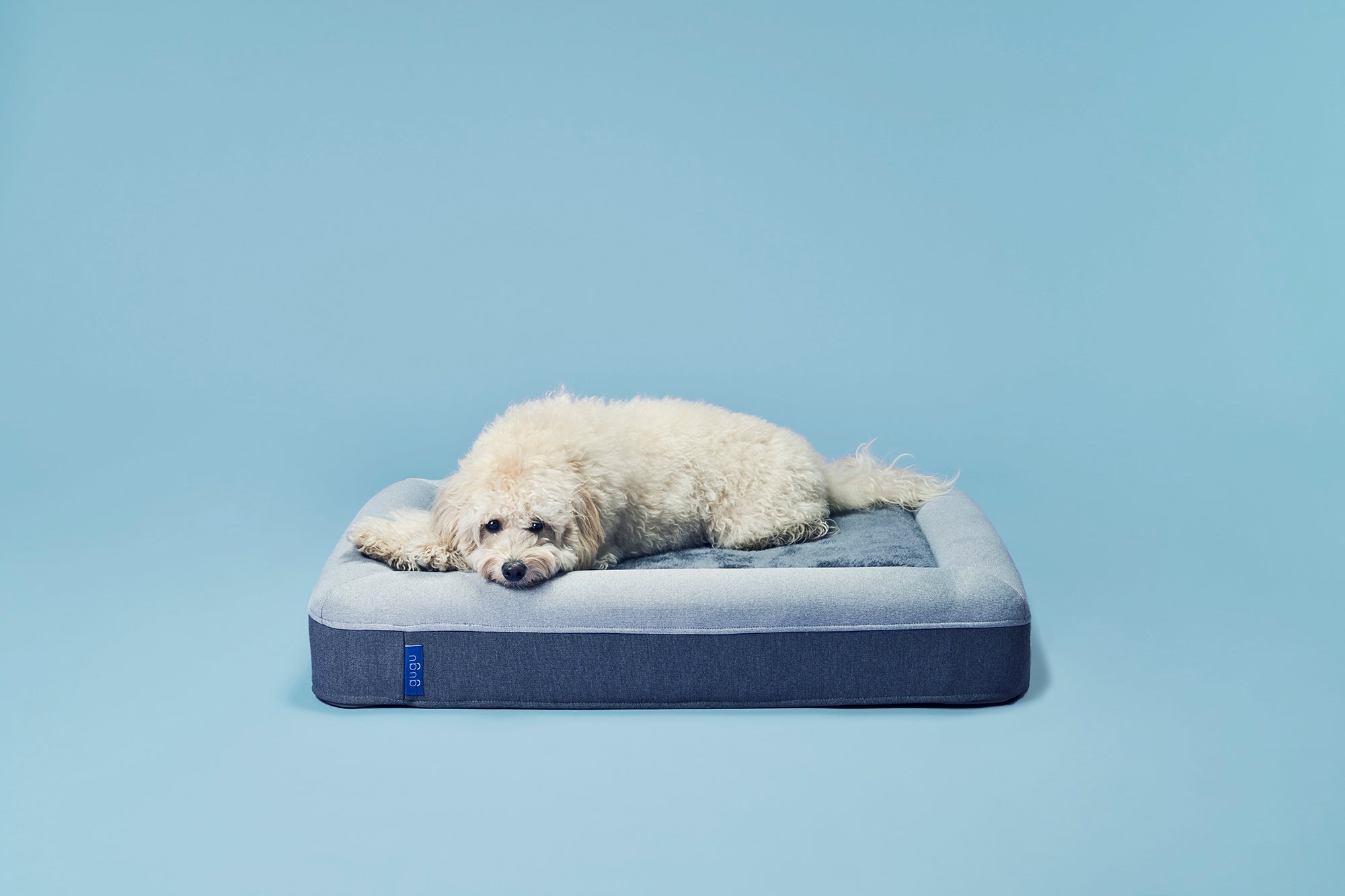
You want your beloved dog to sleep soundly. You want to properly designate a sleeping spot for training purposes. You want to create a relaxing space for them even when traveling or staying overnight... These thoughts lead you to buy a new dog bed. However, unbeknownst to your good intentions as an owner, your dog isn't keen on using the new bed.
Many owners must be wondering, "Why won't my dog sleep in the nice bed I bought for them?"
The truth is, dogs are inherently very wary creatures. Even if you buy a new bed for your dog out of love, it's not guaranteed that they'll immediately recognize it as a "place to sleep." On the contrary, they might be wary of unfamiliar materials or smells and perceive it as "something strange and scary."
So, this time, gugu Sleep, a company that sells dog beds, has compiled an article outlining 4 steps to help your dog get used to a new bed. We'll also introduce a clever trick to help them transition from an old bed to a new one, so please read to the end.
4 Steps to Help Your Dog Get Used to a New Bed
STEP 1: Acclimate Your Dog to the Bed

A dog's sense of smell is said to be hundreds of thousands of times stronger than a human's. They react sensitively to smells imperceptible to humans, sensing the presence of their companions and detecting dangers around them. Therefore, a new bed with an unfamiliar smell can become an object of wariness.
To overcome their wariness towards a new bed, it's important to give the bed a familiar scent.
First, try placing a towel or blanket that has absorbed the scent of the owner or the dog itself onto the bed. This will gradually help your dog recognize it as a safe place.
Also, touching the bed with your hands or laying down an old T-shirt will have the same effect.
If the new bed has a removable cover or cushion, you can try removing it and placing it on their current sleeping spot. Dogs that are wary of the entire bed might be more accepting of just the "cover" or "cushion."
Once you feel your dog's wariness has diminished, place the new bed in the same spot as their old sleeping place and wait for them to use it.
STEP 2: Associate the Bed with "Good Things"
Animals learn by association.
If their anxiety about the new sleeping spot doesn't dissipate, you can create a positive impression by associating the bed with "things they like" or "activities they enjoy."
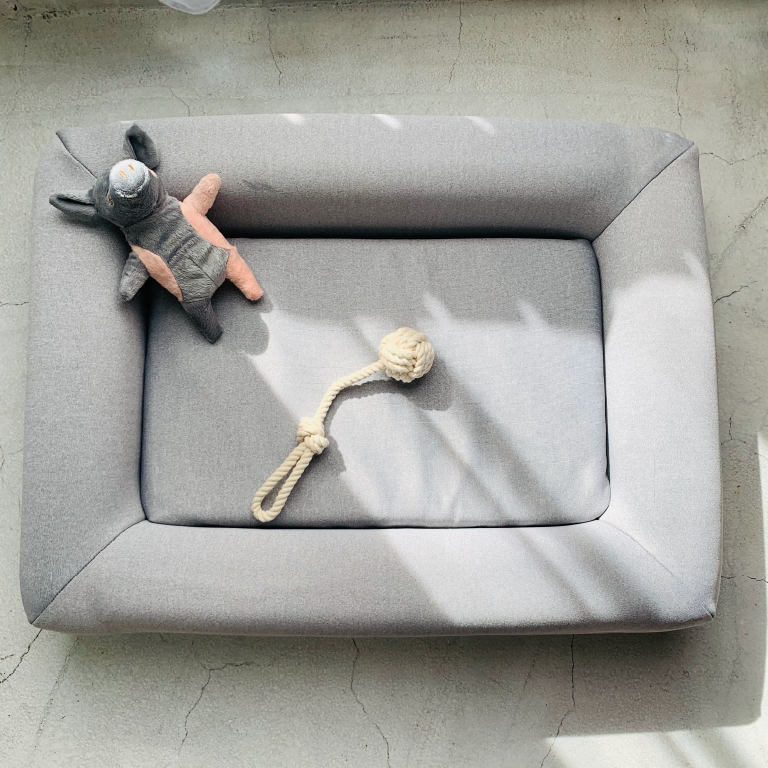
The easiest way is to place their favorite toys or treats on the new bed.
Then, if they get on the bed lured by their favorite things, praise your dog enthusiastically. Repeating this will not only reduce their anxiety about the new bed but also help your dog recognize that "good things happen when I sleep here!" Alternatively, playing their usual games near the bed or petting them can also be effective.
The key is to "create positive experiences near the new bed." By associating the new bed with things they like, their impression of the bed will become positive.
STEP 3: Arrange the Environment Around the Bed

If your dog is having trouble sleeping soundly in their bed, the environment around the bed might be a contributing factor.
Dogs are more sensitive to sound and light than humans and are prone to feeling anxious about environmental changes. Create a secure space where your dog can relax in their bed.
The most important thing to consider is the bed's placement. The following locations are likely to make your dog feel unsafe and should be avoided:
- Areas with high foot traffic, such as near doors
- Areas with loud furniture nearby, such as TVs or musical instruments
- Areas where air conditioning blows directly
- Areas with significant temperature fluctuations, such as near windows
STEP 4: Observe Over Time

Just like humans, dogs need time to adjust to new environments. If your dog still isn't sleeping in the bed after trying multiple methods, observing for 1-2 weeks can be an option. We often hear cases where dogs started using the bed on their own after being left alone for a while, even after everything else failed. So, consider being patient and observing them over a longer period.
Trick: Replace only the interior
If your dog is reluctant to move from their old bed, here's a little trick you can use to encourage them to sleep in the new bed.
First, place a familiar blanket or sheet over the old bed and let your dog sleep on it for a few days with the sheet on. Afterward, when your dog isn't looking, swap out the bed inside the sheet with the new one.
By keeping the sheet with their scent and only replacing the interior, you can help alleviate any anxiety they might have about transitioning from the old bed to the new one.
Summary

Today, there's growing interest in "sleep" from the perspective of health management and improving work performance. Of course, it's not just humans who need good quality sleep for a healthy daily life. Many owners likely splurge on new dog beds hoping their beloved companions also get good quality sleep.
In such cases, if your dog doesn't sleep in the bed you bought, it can be quite disappointing for the owner.
However, even if a dog is initially confused by a new bed, if you give them time to adjust and remove the causes of their wariness, they often start sleeping in it quite easily.
We hope this article helps your dog sleep soundly in their new bed.