







Is sleeping with your pet acceptable or not?
Did you know that there's a "World Sleep Day" in March? World Sleep Day is designated by the World Association of Sleep Medicine as a day to promote knowledge about sleep, held annually on the third Friday of March. This year, World Sleep Day falls today, March 18th. Since the quality of sleep directly impacts the quality of life, it might be a good idea to take this opportunity to gather information about sleep and reassess your own sleep habits.
This time, from gugu sleep's unique perspective as a seller of human mattresses and dog beds, we will introduce the pros and cons of sleeping with your pet.
What are the benefits of sleeping with a pet?
According to a survey published in the medical literature database of the National Library of Medicine in the U.S., 56% of pet owners reported sleeping with their pets in the bedroom, and about 35% of children said they "frequently" or "sometimes" sleep with their pets.
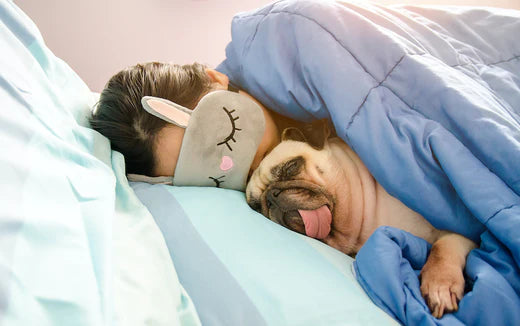
The advantages of sleeping with a pet, which can be considered part of the family, include "comfort and security," "improved mental health," and "improved immunity and health." In particular, cuddling with a pet reduces stress and allows for comfortable, peaceful, and relaxed sleep, showing significant mental benefits. Furthermore, it is said that spending time with pets during infancy reduces the incidence of pet allergies, and exposure to diverse microorganisms may benefit human health and the immune system.
In addition to these, there are other benefits such as feeling comforted, feeling warm from each other's body heat on cold days, and being able to quickly notice if there's anything wrong with your pet. As the term "animal therapy" suggests, research also reports that interacting with pets and spending intimate time with them can lead to lower blood pressure and heart rate, and improvement in dementia and depression.
You could catch diseases from your pet. What are the disadvantages of sleeping with a pet?
While there are many benefits to sleeping with your pet, there are also disadvantages... These primarily include "hygiene issues," "onset of allergies," and "contact with harmful bacteria and viruses." It's possible to catch diseases from pets through zoonotic infections, and it's said that getting a pet for the first time as an adult can trigger allergies. This is merely a possibility, so "sleeping together = getting sick" is not a direct correlation, but it's important to be aware of such disadvantages.

What are the important points to consider when sleeping with a pet?
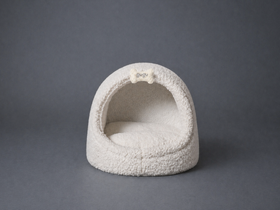
To prevent the spread of unwanted bacteria, first and foremost, maintain good hygiene by regularly washing sheets and bedding. It's also important to wipe your pet's body and paws after walks to avoid bringing ticks, fleas, dirt, or allergens into the bedroom. Be careful not to accidentally crush your pet when turning over, or for them to fall off the bed. Additionally, there's a risk of your pet developing separation anxiety due to increased dependency on the owner, so it's crucial to create a stress-free sleeping arrangement for both pet and owner, rather than always sleeping together. This could involve providing a sufficiently sized bed for both, or providing a separate bed or mattress for your pet.
[Summary]
Many people report feeling "happier" and that sleeping with their adorable pets has a positive impact on their physical and mental health. There's also the benefit of being able to monitor your pet's condition throughout the night. On the other hand, to avoid health issues like allergies, always keep your bedding clean and ensure your pet is also clean. Knowing these pros and cons, it's important to strive for an environment that considers not only the owner but also the pet.