







Understanding Your Dog's Body Language
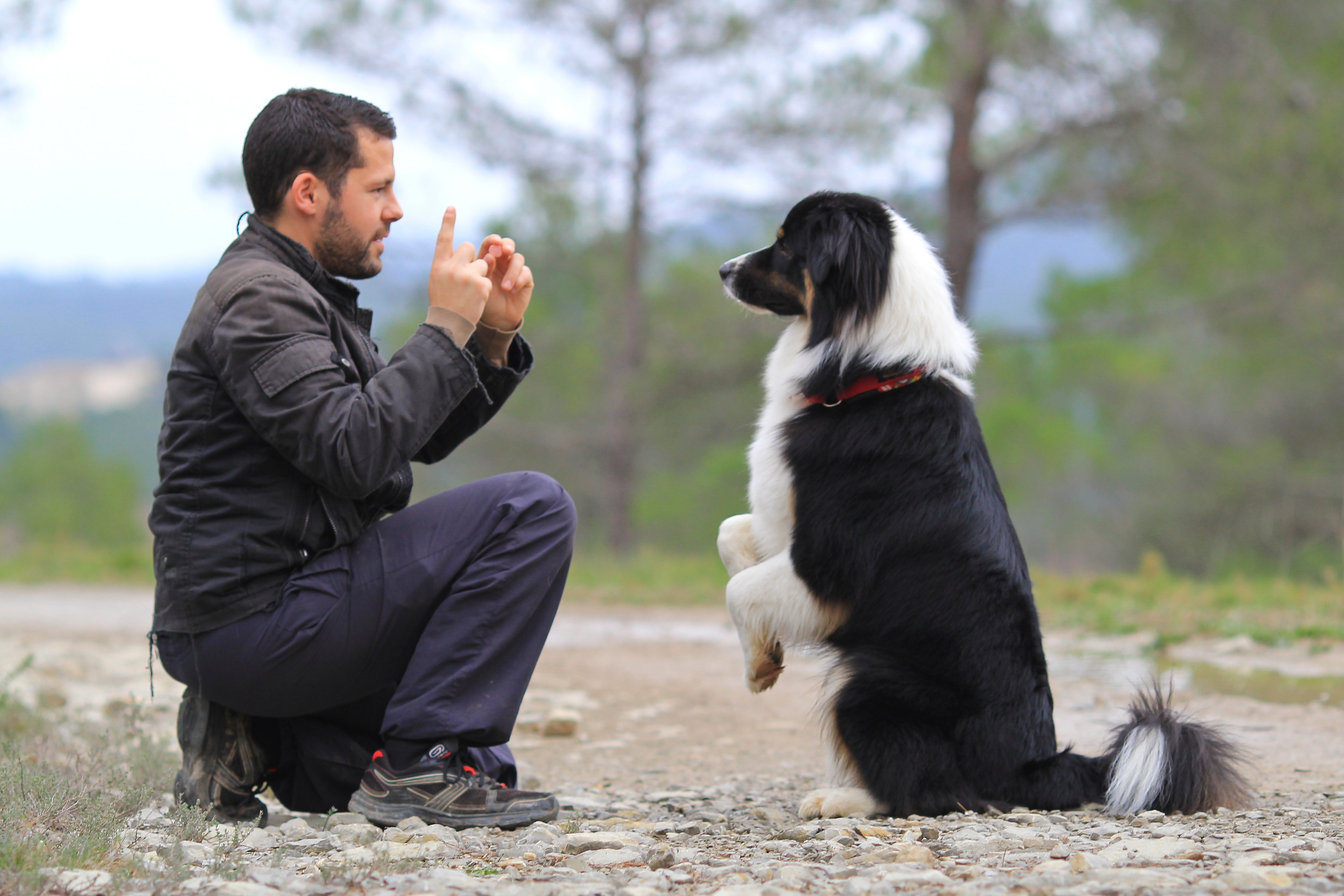
For us who cherish our dogs, understanding their body language is crucial for effective communication and deepening our bond. Dogs communicate with us by expressing their emotions, needs, and intentions through various cues and signals.
In this article, let's explore together the importance of understanding dog body language, key cues and signals not to miss, and how to interpret them!
The Importance of Understanding Dog Body Language

-
Building Trust and Bonds
Being able to read your dog's body language and understand their emotions and intentions allows you to build trust and deepen your bond with them.
Effective communication with your dog enables you to appropriately address their needs and provide proper care when they are stressed or anxious, thus fostering a strong, trusting relationship based on mutual understanding. -
Avoiding Communication Misunderstandings
Misreading or misunderstanding a dog's body language can lead to behavioral problems, conflicts, or even accidents.
By understanding dog body language, you can accurately interpret their cues and signals and respond appropriately, preventing communication misunderstandings and avoiding a lack of understanding. -
Promoting Safety and Reducing Risks
Knowing and understanding dog body language can promote safety and reduce risks in various situations.
For example, recognizing signs of fear or aggression in a dog's body language can help you take appropriate action to prevent conflicts with other dogs or people. Furthermore, understanding a dog's body language can help you detect signs of discomfort or illness, allowing for early veterinary consultation.
Key Cues and Signals Not to Miss

Dogs use a variety of body language cues and signals to communicate their emotions, needs, and intentions.
Here are some key cues and signals not to miss:
-
Tail Position and Movement
A dog's tail position and movement often convey a lot about their emotions.
-
A broadly wagging, relaxed tail usually indicates a happy and relaxed dog.
-
A tail held high with a stiff wag can indicate excitement, arousal, or confidence.
-
A tail tucked between the legs can indicate fear, anxiety, or submission.
-
A slow wag or a tail held low and close to the body can indicate uncertainty, discomfort, or unease.
-
-
Ear Position and Movement
Ear position and movement can also provide important clues about their emotions.
-
Erect ears pointing forward often indicate alertness or curiosity.
-
Ears flattened against the head can indicate fear, submission, or anxiety.
-
Ears pulled back or angled to the side can indicate stress, discomfort, or overstimulation.
-
-
Body Posture
A dog's body posture can reveal much about their emotions and intentions.
-
A relaxed, soft body posture with a wagging tail often indicates a friendly, relaxed, and approachable dog.
-
A stiff, tense, or frozen body posture can indicate fear, aggression, or discomfort.
-
A crouched or lowered body posture can indicate submission or fear.
-
An erect, puffed-up posture can indicate confidence or assertiveness.
-
-
Facial Expressions
A dog's facial expressions can also provide important clues about their emotions.
-
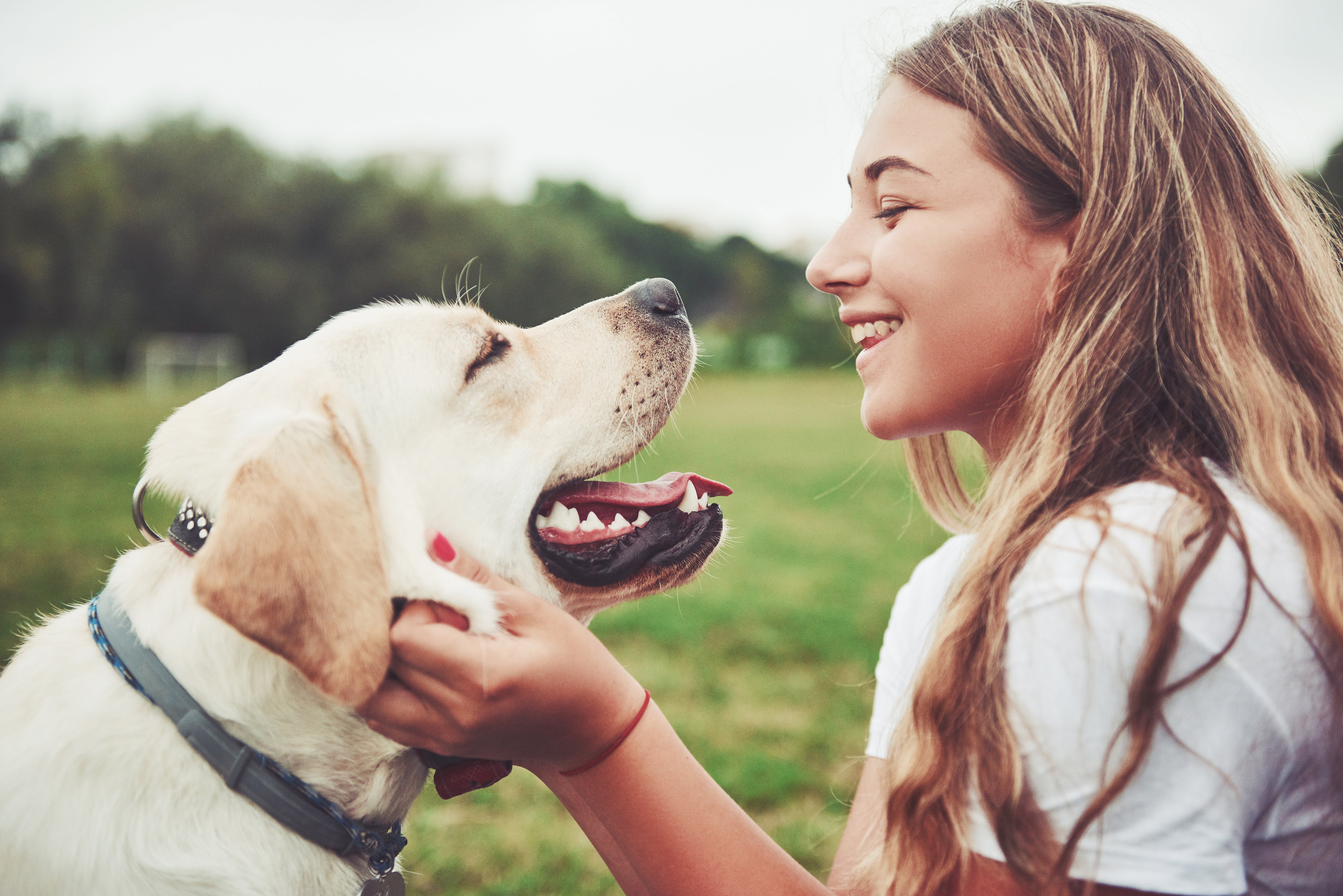
Relaxed facial muscles, a slightly open mouth, and soft eyes often indicate a relaxed and content state.
-
Raised eyebrows, wide eyes, and a closed mouth can indicate alertness or curiosity.
-
Baring teeth, a wrinkled nose, and a rigid jaw can indicate aggression or fear.
-
-
Vocalizations
Dogs use various vocalizations to communicate, and understanding their vocal cues is important for understanding their emotions.
-
Barks can express a variety of emotions, including excitement, fear, aggression, or alertness.
-
Whining or whimpering can indicate distress, discomfort, or anxiety.
-
Growling can indicate aggression, fear, or a warning.
-
-
Eye Contact
Dogs use eye contact to communicate, and different gazes convey different messages.
-
Soft, relaxed direct eye contact signifies friendliness and a relaxed demeanor.
-
Staring or prolonged glaring can indicate aggression, challenge, or a threat.
-
Averted gaze or avoiding eye contact can indicate fear, submissiveness, or discomfort.
-
-
Licking, Yawning, and Other Behaviors
Dogs express emotions through various behaviors.
-
Lip licking can indicate anxiety, stress, or discomfort.
-
Yawning can indicate stress, fatigue, or anxiety.
-
Turning away or avoidance movements can indicate fear, discomfort, or submissiveness.
-
Summary

Understanding your dog's body language is essential for effective communication and bonding. By paying attention to tail position and movement, ear position and movement, body posture, facial expressions, vocalizations, eye contact, and other behaviors, you can more accurately understand your dog's emotions and intentions. This allows you to appropriately address their needs, prevent misunderstandings and communication issues, enhance safety, and deepen the bond with your beloved pet. Therefore, take the time to learn and understand body language, and strive for a deeper, more fulfilling relationship with your dog!