






Learn with Fun! Dog Command Training Guide for Beginners
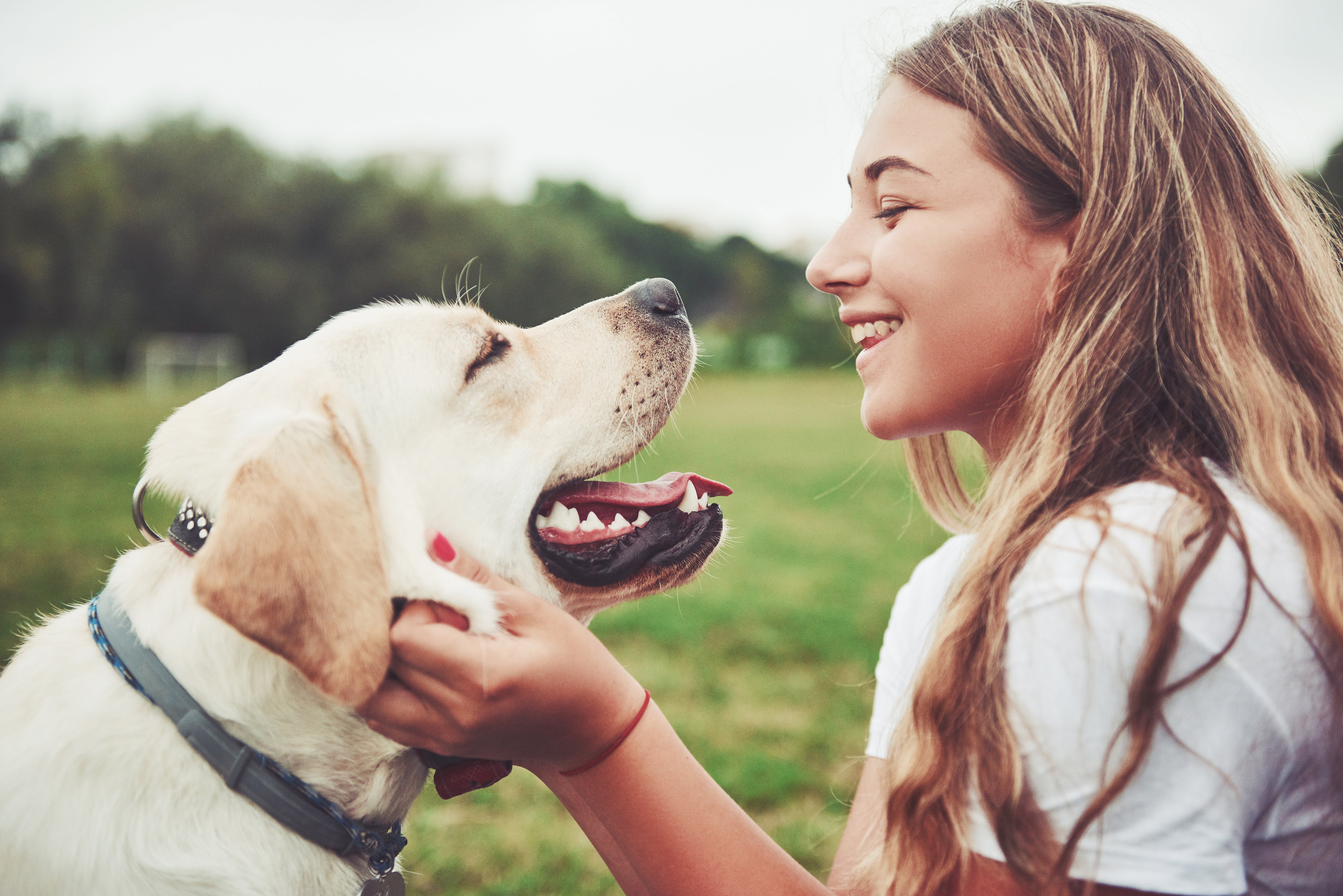
You want to deepen the bond with your beloved dog, with whom you spend every day!
Teaching commands such as "sit" and "stay" can be very helpful for that.
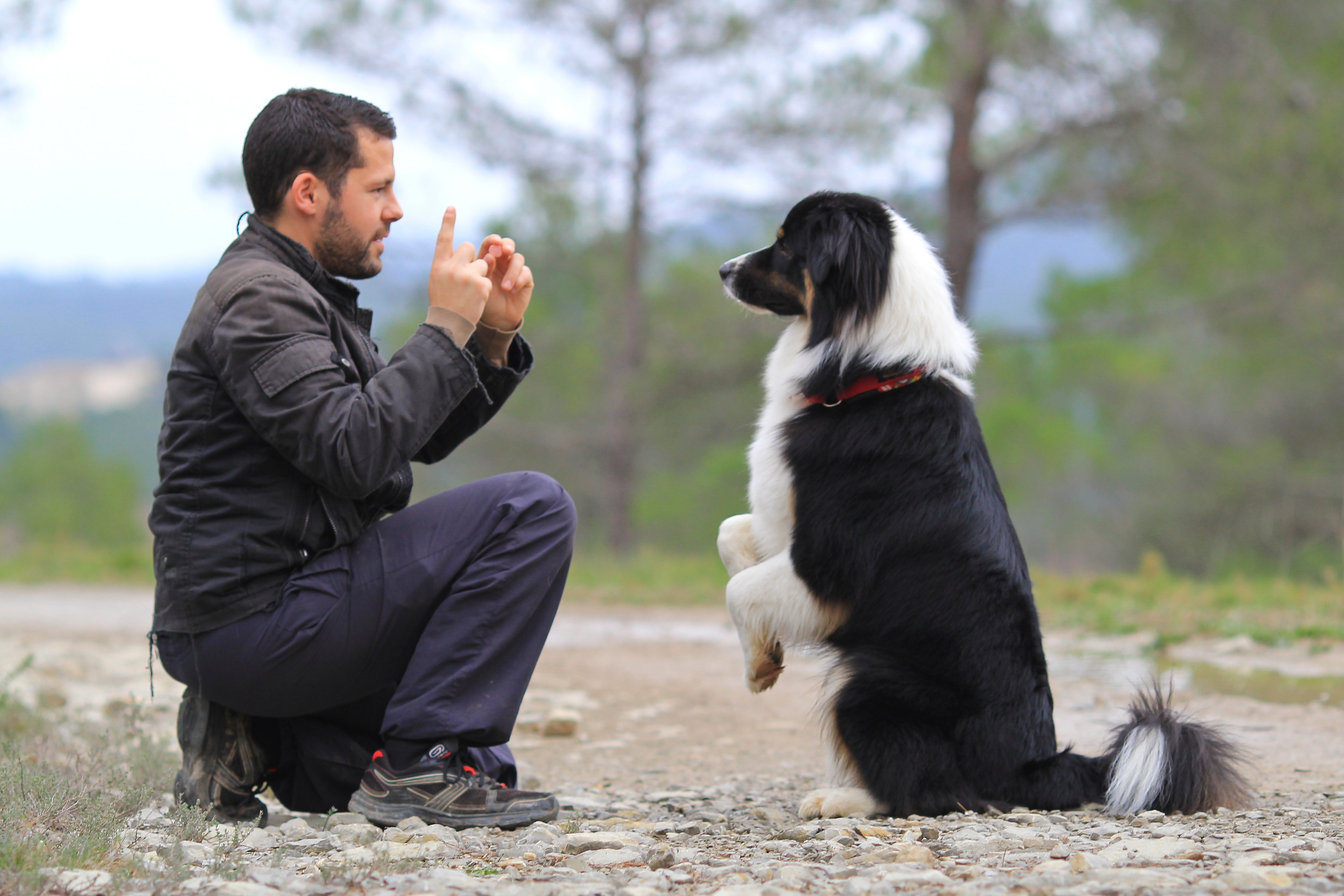
In this article, we'll explain tips and techniques for teaching your dog simple commands.
What are the 4 tips for teaching commands?

-
Use Positive Reinforcement
"Positive reinforcement" is a method of strengthening and promoting a desired behavior in your dog by praising them or giving them a reward when they perform it.This method allows dogs to learn while having fun, so they can learn commands without stress.
-
Appropriate Rewards
Prepare rewards that your dog loves. The timing of giving rewards is also important.By giving the reward immediately after the command is successfully completed, your dog will more easily understand which action was praised.
-
Aim for Short Practice Sessions
It's difficult for dogs to concentrate for long periods. So try frequent, short practice sessions. Start with practice sessions of 5 to 10 minutes.
-
Start with Simple Commands
When teaching commands to your dog, it's important to start with simple commands one at a time, rather than trying to teach multiple things at once. Start with basic commands like "sit" and "stay."
How to Teach "Sit"

"Sit" is a natural movement for dogs, making it an ideal first command to teach.
First, hold a treat at your dog's eye level. Next, slowly move the treat upwards over your dog's head. Many dogs will follow the treat with their head and naturally sit down to balance themselves. As soon as they start to sit, say "sit" and give them the treat while praising them.
Repeat this many times until your dog understands the "sit" command.
How to Teach "Stay"
The "stay" command is an important skill for teaching your dog self-control.
To teach "stay," your dog needs to know "sit," so teach it after they've mastered "sit." First, give the "sit" command and have your dog sit. Next, while giving the "stay" command, place a treat or toy a little distance away from your dog. If your dog tries to move, say "no" and start over. If they manage to wait, say "okay" and give them the treat or toy.
Practice this command repeatedly, gradually increasing the waiting time.
Summary
 Teaching commands is a wonderful opportunity to deepen your bond with your dog and enhance their knowledge and understanding. Avoid rushing or scolding them harshly; instead, proceed slowly as if you're playing together. The joy your dog feels when learning a new command is a great sense of accomplishment for both the owner and the dog.
Experience the joy and fun of deepening your bond with your dog and teaching them commands.