








07. Hiroshi Ito, D.V.M. (Director, Ichikawa General Hospital)
Please tell us what led you to want to become a veterinarian.
Ito: I was around animals from a young age because my mother's side of the family kept many dogs, cats, and birds. They were so cute and comforting. However, we didn't have any animals at home, so my desire to keep animals grew, and I convinced my parents to let me have a pair of hamsters first. Hamsters have a short lifespan of about two years, and more than half of their offspring often die, so this experience made me realize the reality of life and death in animals. After that, my mother was very angry, but I secretly brought home a kitten from my relatives' house, and we all ended up raising it. One day, that cat fell ill, so we took it to an animal hospital, and I learned the importance of treatment and prevention. The veterinarian who helped us was very kind, explained things clearly, and was an honest and cool doctor. Even though I was still in elementary school, interacting with that doctor made me want to pursue a career in healing animals.

Please tell us about Ichikawa General Hospital's treatment policy and your duties as a veterinarian.
Ito: Most animal hospitals offer both internal medicine and surgery, but there are also specialized hospitals that focus on specific animals, diseases, or organs. I am what you call a generalist; I approach diseases from multiple perspectives, including mental and physical health and lifestyle background, providing comprehensive treatment and engaging in preventive care. I primarily treat dogs and cats, as well as ferrets, rabbits, hamsters, and birds. In terms of duties, I conduct examinations in the morning and afternoon, and in between, I hold conferences for hospitalized animals. As a general practitioner, I perform examinations and procedures associated with regular check-ups, tests, treatments, prescribing medication, and vaccinations and other preventative care. In between consultations, I also mentor and educate my subordinates and perform various other tasks.
Please tell us about the appeal and rewards of being a veterinarian.
Ito: Since I'm inherently an animal lover, the greatest appeal is being able to be involved in the treatment of all animals, and interacting with animals every day is also a source of comfort and energy. Because I cannot communicate with animals through language like humans do, I make every effort to maintain their health or treat them by understanding their expressions and conditions and utilizing my five senses and abilities. I find it rewarding to be able to help animals live long and healthy lives, cure illnesses, or even for incurable diseases, assist them in living a life that maintains a good quality of life (QOL). Receiving gratitude from animals and their owners and sharing their joy is what makes this job fulfilling.

Please tell us about the sleep mechanisms and effects in pets.
Ito: For animals, sleep serves to recover from brain fatigue and organize and consolidate memories. Similar to humans, dogs also experience REM and non-REM sleep, repeating short sleep cycles of about 20 minutes, with a ratio of 6 minutes of REM sleep to 12 minutes of non-REM sleep. These effects are believed to be the same for both pets and humans, and the importance of sleep remains consistent across all animals. However, much of what sleep signifies is still unknown, and scientists worldwide are continuing their research.
As a pet owner, what is necessary to ensure your pet gets quality sleep?
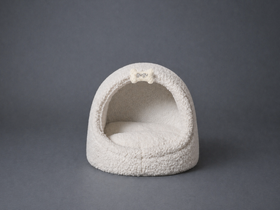
Ito: It's common to see pets sleeping with their owners in their beds or futons, but I believe pets can't get restful sleep due to the owner's body movements or snoring. If sleep deprivation continues, pets, like humans, can develop various illnesses and disorders. Therefore, I believe a high-quality, pet-specific bed is essential. Something that prioritizes the pet's comfort and coziness would be ideal. Also, similar to humans, training is important to prevent stress, but it's also crucial to have proper nutritional management, and for owners to exercise and play with their pets frequently to help them release energy. Furthermore, health management is vital, so regular check-ups at the animal hospital are necessary, and supplements for maintaining health should also be utilized.

How do you view the importance of your own sleep?
Ito: I once suffered from sleep disorders for a long time, waking up in the middle of the night due to stress. The accumulated fatigue was grueling. After my sleep disorder subsided and I started sleeping soundly, it became easier to recover from fatigue, so I fully understand the importance of sleep. Considering that we spend a quarter to a third of our lives in bed, I see it as extremely vital. Sleep allows the brain and body to rest, leading to better cognitive function and actions the next day. Without quality sleep, it's impossible to live a vibrant life, both mentally and physically.
What does sleep mean to you?
Ito: Due to the nature of my work, I'm constantly thinking about cases, so my mind never rests. I'm also pressed for time with daily tasks, which creates a lot of stress. Although my high stress tolerance helps me get through it (chuckles wryly), for me, sleep is also a time to be liberated from stress and relax. My motto is to not accumulate stress, enjoy each day, and be grateful for everything. I recognize sleep as the most effective tool to achieve this.

Please tell us how you spend your days off and how you refresh yourself.
Ito: I like neo-classic cars from about 20-30 years ago, like the Supra and Silvia, so I enjoy driving my beloved car. I also go to Ebisu Circuit in Fukushima to practice drifting a little (laughs). And I watch cute animal videos to relax.
Please tell us about your future life goals and vision.
Ito: Every day, I am passionately committed to animal medical care for the health of pets. I am actively working towards becoming the ultimate veterinary generalist, promoting quality sleep for pets, spreading the use of supplements in veterinary medicine, extending the lifespan of animals with chronic kidney disease, improving animal nursing and care, and advancing animal regenerative medicine. To extend the healthy lifespan and happy lifespan of pets, I am promoting the importance of preventive medicine, and I also hope to remain healthy until I am 100 years old. Furthermore, I hope to contribute to the further development of the animal industry through veterinary medicine and to world peace.

Text & Edit:Kazuhiro Hasegawa(no name books)Interview photos:Kazuhiko Tawara(magNese inc.)

What is sleep?

In 1996, he graduated from Rakuno Gakuen University's Department of Veterinary Medicine. After working at a pharmaceutical company and an animal hospital in Kumamoto Prefecture, he joined the Kariya Animal Hospital Group in 1999. In 2012, he was appointed director of Ichikawa General Hospital within the same group. He is passionately committed to animal medicine for the health of patients and their pets. Currently, he serves as an executive director of the Japanese Society of Veterinary Regenerative Medicine and a representative director of the Animal Preventive Medical Association.


