





How to Properly Deal with Blue Light
To live a healthy life, it's essential to take care of your body. Many people focus on diet and moderate exercise at the gym, but as a doctor and clinical psychologist, I always check how much blue light I'm exposed to before bed.
So, what is blue light? Blue light is a type of visible light (light that humans can see) with a particularly short wavelength and high energy. We are exposed to blue light daily through mobile phone screens, computers, televisions, and more.
How much should we be concerned about blue light? As a doctor, I tell all my patients that "light is medicine." Just as you wouldn't feel healthy after eating junk food all day, it's difficult to expect quality sleep or high performance while constantly exposed to "junk light." However, with proper management, light exposure can improve performance, enhance sleep quality, and even boost energy. In today's screen-filled world, how you interact with light plays a crucial role in maintaining your health and quality sleep.
In modern society, light is everywhere, making it difficult to find darkness at times. We are also exposed to more blue light than at any other point in human history. So, why is it important to understand blue light better?
Impact of Blue Light at Night on Sleep
Recent research evidence indicates that blue light can have negative effects on the body.
Scientific studies have shown that, among visible light, blue light significantly suppresses drowsiness and induces wakefulness. Blue light inhibits the production of melatonin, which plays a vital role in sleep, by approximately twice as much as other visible light, significantly disrupting the circadian rhythm. The health consequences of disrupting the body's 24-hour circadian rhythm are serious. For example, it can lead to cardiovascular disease, metabolic issues, immune system dysfunction, emotional instability, and impaired cognition. If your circadian rhythm is disrupted, your cognitive abilities, sensitivity, and performance will decline, leading to significant long-term deficiencies.
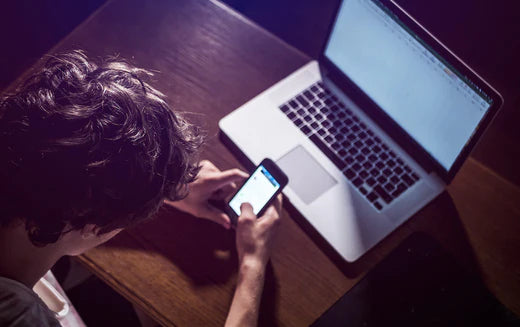
According to recent research on young, healthy adults, exposure to blue light from computers and similar devices between 9 PM and 11 PM resulted in reduced sleep duration, severe suppression of melatonin production, and significant deterioration in sleep quality due to awakenings during the night.
The research team confirmed that blue light inhibits the natural drop in body temperature during the night. Humans gradually lower their body temperature to induce sleep. Blue light maintains body temperature at daytime levels, so exposure to it at night disrupts the circadian rhythm and negatively impacts sleep. Participants in the study also reported experiencing fatigue and negative moods during the day after several days of nighttime blue light exposure compared to their usual state.
How was that? Blue light at night has a significant negative impact on sleep and the circadian rhythm. Therefore, adjusting the amount of blue light exposure by using warm-colored lights in the evening can greatly improve health and sleep quality.
When Blue Light Can Be Beneficial
While research indicates health and sleep risks, benefits of daytime blue light exposure have also been observed. Key examples include:
- Suppressing daytime drowsiness
- Improving reaction time
- Increasing attention function
- Improving concentration
Furthermore, studies have shown that it's not necessary to be exposed to blue light for long periods to experience these effects. One study found that 30 minutes of blue light exposure in the morning could lead to improved memory and reaction time compared to other visible light. Therefore, in today's world, adjusting the amount of light exposure can lead to improved performance, health, and sleep.

Ways to Reduce Blue Light Exposure
- Carotenoid Supplements:
Research data suggests that carotenoid supplements may enhance the light-blocking capabilities of the eye. The human eye has a function called the retinal pigment epithelium that protects the retina from blue light. Therefore, maintaining the retinal pigment epithelium in good condition plays a certain role in protecting the eyes from blue light.
- Blue Light Filtering Software/Apps:
Recently, apps and software that reduce blue light at night have become relatively easy to obtain. Many smartphones and tablets have built-in blue light reduction features in their operating systems.
- Blue Light Blocking Films/Lenses:
In addition to the aforementioned apps, you can regulate your blue light exposure by using films that can be applied to screens and glasses that reduce blue light.
- Special Lights/Lighting:
One of the most effective ways to adjust blue light exposure is by using LED lights. Designed for energy efficiency, LED light bulbs are made to emit appropriate light for both day and night. Among these, LED lights designed based on the circadian rhythm can reduce the negative effects of blue light at night and facilitate the beneficial effects mentioned earlier during the day.
【Advertisement】Article continues after advertisement

Summary
- Getting enough light during the day is important.
This can lead to various benefits such as increased concentration, improved mood, enhanced perception, maintenance of circadian rhythm, and improved sleep quality. Exposing yourself to sunlight for 10-15 minutes immediately after waking up or during your lunch break can help you maintain a healthy light routine.
- Avoid looking at screens as much as possible at night.
While it's important to relax by watching TV at night, being glued to your smartphone screen right before bed has a negative impact on sleep and health. It's crucial to manage the amount of blue light exposure and light intensity. Avoid looking at screens for at least an hour before bedtime, and charge your smartphone away from your bed.
- Modern problems require modern approaches.
Paying attention to your "light diet" and utilizing various tools to adjust your relationship with light to maintain a healthy lifestyle will bring immense long-term benefits.